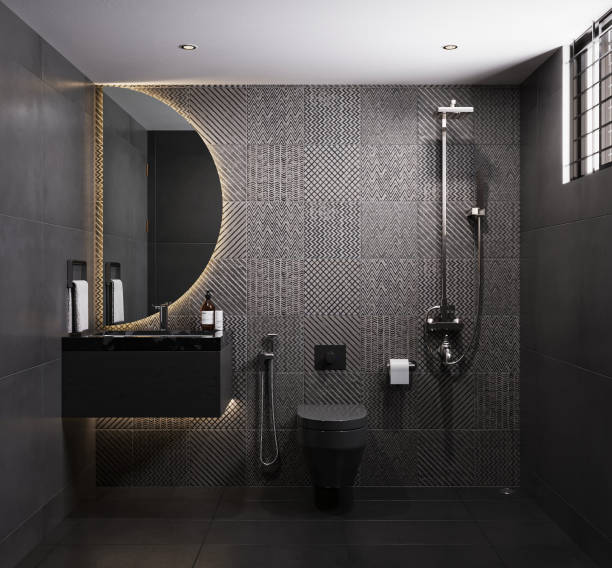
What Makes Bathroom Design an Important Part of Residential Architecture?
Bathrooms are among the most frequently used spaces in any home, yet they are often overlooked during the planning process. A well designed bathroom contributes to comfort, functionality, efficiency, and overall property value. While many homeowners focus on selecting fixtures and finishes, successful bathroom design involves much more than aesthetic choices. It requires careful planning of layout, storage, lighting, ventilation, and material selection.
Professional architects approach bathroom design as an integral part of the home’s overall architecture. Every element must work together to create a space that is practical, visually appealing, and aligned with the homeowner’s lifestyle. Whether designing a primary suite, guest bathroom, or powder room, working with a bathroom design architect Chicago can help ensure the final result reflects both functional needs and architectural excellence.
How Does an Architect Approach Bathroom Design Differently?
Focusing on Both Functionality and Aesthetics
One of the key advantages of working with an architect is the ability to balance beauty with practicality. A bathroom may look impressive in photographs, but if the layout is inefficient or storage is inadequate, daily use can become frustrating. Architects evaluate how the space will function before selecting design features.
This process includes analyzing traffic flow, fixture placement, accessibility, and user requirements. By considering these factors early, architects create bathrooms that are comfortable to use while maintaining a refined appearance. The result is a space that supports daily routines without sacrificing visual appeal.
Integrating the Bathroom Into the Overall Home Design
Bathrooms should feel connected to the rest of the home rather than appearing as isolated spaces with unrelated design elements. Architects consider how materials, finishes, colors, and architectural details flow throughout the residence.
This cohesive approach helps create a consistent design language that enhances the overall character of the home. Whether the property features a contemporary, traditional, or transitional style, the bathroom becomes a natural extension of the architectural vision.
Why Is Space Planning So Important in Bathroom Design?
Maximizing Available Square Footage
Bathrooms often have limited space compared to other rooms, making efficient planning essential. Architects carefully evaluate room dimensions to ensure every square foot is used effectively. Strategic placement of vanities, showers, bathtubs, and storage features can significantly improve functionality without increasing the room’s footprint.
Thoughtful space planning also helps maintain comfortable movement throughout the bathroom. Proper clearances around fixtures create a more open and accessible environment while reducing visual clutter. This attention to detail allows even smaller bathrooms to feel spacious and organized.
Improving User Experience
The success of a bathroom design is measured by how well it supports daily activities. Architects analyze how homeowners interact with the space and develop layouts that improve convenience and comfort. Features such as dual vanities, dedicated storage zones, and optimized lighting locations can make a significant difference in usability.
Key considerations often include:
- Storage accessibility
- Fixture placement
- Lighting distribution
- Privacy requirements
These factors contribute to a more functional and enjoyable bathroom experience while supporting long term satisfaction.
What Role Do Materials Play in Residential Bathroom Design?
Selecting Durable and Practical Surfaces
Bathrooms are exposed to moisture, humidity, and frequent use, making material selection especially important. Architects recommend materials that can withstand these conditions while maintaining their appearance over time. Durability, maintenance requirements, and performance are carefully evaluated before final selections are made.
High quality materials not only improve longevity but also contribute to the overall quality of the design. Choosing appropriate finishes for flooring, walls, countertops, and cabinetry helps ensure the bathroom remains attractive and functional for many years.
Creating Visual Harmony
Material selection also plays a major role in establishing the character of the space. Architects coordinate textures, colors, and finishes to create a cohesive environment that aligns with the home’s overall design aesthetic.
Rather than selecting materials independently, professionals consider how each element interacts with surrounding surfaces. This comprehensive approach creates a more balanced and sophisticated result while helping avoid visual inconsistencies that can diminish the overall design quality.
How Can Custom Design Improve a Residential Bathroom?
Tailoring Solutions to Homeowner Needs
Every household has unique requirements, and custom bathroom design allows those needs to be addressed directly. Standard layouts may not provide adequate storage, accessibility, or functionality for every homeowner. Architects develop customized solutions that reflect specific preferences and daily routines.
A personalized approach can include specialized storage systems, custom vanities, integrated lighting solutions, and unique fixture arrangements. These features help maximize efficiency while creating a space tailored to the homeowner’s lifestyle.
For those seeking a more refined and personalized approach to residential bathroom design, professional architectural planning can provide greater flexibility and long term value than standardized design solutions.
Enhancing Comfort and Luxury
Luxury in bathroom design is often achieved through thoughtful planning rather than excessive decoration. Architects focus on creating comfortable environments that support relaxation and convenience. Carefully selected materials, efficient layouts, and integrated design features contribute to a more elevated experience.
The combination of functionality and aesthetics helps transform the bathroom into a highly usable and visually appealing part of the home. This attention to detail can significantly improve overall satisfaction with the living environment.
Why Are Lighting and Ventilation Essential Design Considerations?
Creating a Well Balanced Lighting Plan
Lighting affects both the appearance and functionality of a bathroom. Architects develop layered lighting strategies that support grooming tasks while enhancing the atmosphere of the space. A combination of ambient, task, and accent lighting helps create a balanced environment suitable for various activities.
Properly planned lighting can also highlight architectural features, improve visibility, and contribute to the perceived size of the room. These benefits make lighting one of the most important elements in successful bathroom design.
Supporting Long Term Performance
Ventilation is equally important because it helps manage moisture and protect building materials from damage. Poor ventilation can lead to maintenance issues that negatively impact the longevity of finishes and fixtures.
Architects evaluate ventilation requirements as part of the overall design process to ensure the bathroom remains comfortable, healthy, and durable. This attention to performance helps protect the investment homeowners make in their renovation or new construction project.
What Are the Long Term Benefits of Professional Bathroom Design?
Increasing Property Appeal
Bathrooms are among the first spaces buyers evaluate when assessing a home. Well designed bathrooms often create a positive impression and contribute to the perceived quality of the property. Thoughtful layouts, quality materials, and professional detailing can help enhance overall market appeal.
Delivering Lasting Value
Professional architectural planning focuses on creating spaces that remain functional and attractive over time. By addressing both current needs and future usability, architects help homeowners make design decisions that provide lasting benefits. This long term perspective supports better performance, reduced maintenance concerns, and greater overall satisfaction.
Conclusion
A professionally designed bathroom offers much more than visual appeal. It combines efficient space planning, durable materials, personalized functionality, and architectural consistency to create a space that supports daily living while enhancing the overall home environment. By working with experienced architects, homeowners can achieve a bathroom that balances comfort, performance, and timeless design.
Whether you are planning a renovation or designing a new custom residence, expert guidance can help transform your vision into a well executed reality. To discuss your project and explore tailored design solutions, Get in touch with the team at Grant Architects Chicago.