Space technology today spans propulsion, power, autonomy, and communication, enabling robotic missions, human exploration, and robust satellite services. It reframes how Earth is observed, navigated, and sustained amid debris and risk. Sensors convert spaceborne data into actionable insight, guiding decisions and proactive stewardship. From lab benches to flight-ready systems, disciplined collaboration tests ideas against reality, turning concepts into reliable tools. The path forward invites careful choice and scrutiny as capabilities push beyond Earth’s cradle. What comes next demands critical assessment.
What Space Tech Really Is Today
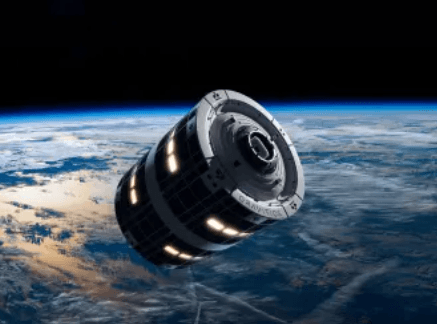
Space technology today encompasses a broad array of systems and capabilities that enable space exploration, satellite services, and robotic and human activities beyond Earth.
The field integrates propulsion, power, autonomy, and communication to support diverse endeavors.
It analyzes mission design, risk, and reliability.
Space missions reveal engineering limits, while orbital debris concerns frame sustainable practice and long-term access to the heliosphere.
How Space Tools Solve Earth-Facing Problems
From orbit to ground, space tools translate measurements and models into actionable insights that address everyday Earth-facing challenges.
Space sensors capture real-time signals, while orbital data reconstructs trends, enabling proactive decisions.
The approach supports diverse needs with curious rigor and accessible clarity.
Propulsion breakthroughs and debris mitigation advance safe, sustainable use of near-Earth space, benefiting communities and environments on Earth.
From Lab to Launch: Turning Ideas Into Practical Tech
Turning an idea into a tangible space technology product begins with rigorous collaboration between researchers, engineers, and end users. From lab prototyping to iterative testing, practical tech emerges through disciplined experimentation, risk assessment, and scalable design. Idea one guides early validation, while idea two informs reliability and manufacturability. The process favors transparent criteria, measurable milestones, and disciplined iteration, aligning ambitions with real-world feasibility and end-user needs.
Choosing the Right Space Tech for Your Mission
Choosing the right space technology for a mission begins with aligning capabilities to objectives, constraints, and end-user needs identified in earlier development work. Decision makers assess propulsion systems, payload interfaces, and data needs against mission duration and budget.
Space propulsion choices shape maneuverability and risk, while satellite sensors determine science return. The result balances performance, reliability, and freedom to explore within practical limits.
See also: Space Technology Expanding Horizons
Frequently Asked Questions
How Does Space Tech Impact Daily Life on Earth Today?
Space technology shapes daily life through space medicine advances improving medical care and remote diagnostics, while orbital robotics enhance satellite servicing and autonomous inspection, enabling safer operations, resilient communications, and broader access to information for a curious, freedom-seeking public.
What Career Paths Involve Space Technology Beyond Astronauts?
Careers in space technology beyond astronauts include roles in spacecraft systems engineering and mission planning, where professionals design, test, and coordinate orbital operations, ensuring reliability, safety, and exploration potential for diverse programs, while pursuing autonomous, innovative, and globally collaborative opportunities.
How Is Space Debris Managed and Mitigated?
Space debris is managed through mitigation strategies, orbital debris tracking, disposal technologies, and policy implications, enabling safer operations; observers note persistent challenges, requiring continued innovation, international cooperation, and accountable standards for sustainable, freedom-friendly space activity.
What Ethical Concerns Accompany Expanding Beyond Earth?
Ethical concerns include the ethics of resource allocation and governance of extraterrestrial operations. Like Prometheus, humanity ponders responsibility amid exploration, balancing innovation with shared stewardship, transparency, and inclusive decision-making that honors future generations and diverse global interests. Curiosity guides restraint.
When Will Private Companies Offer Consumer Space Services?
Private space services may arrive incrementally; private space tourism and commercial satellite mega constellations are likely in the next decade, though timelines vary by regulation, technology, and market demand, according to industry observers and policymakers seeking momentum and safeguards.
Conclusion
In a quiet harbor, a lighthouse stares outward, its beam born from patient alchemy of wind and glass. Space tech, like that beacon, gathers distant signals and steady power from rigorous trials, translating them into guidance for Earth’s ships. Its voyage—from lab sparks to real tools—illuminates hazards, scales insights, and keeps routes safe. If we tend the lantern with curiosity and care, its light will broaden horizons without dimming our home’s own shores.