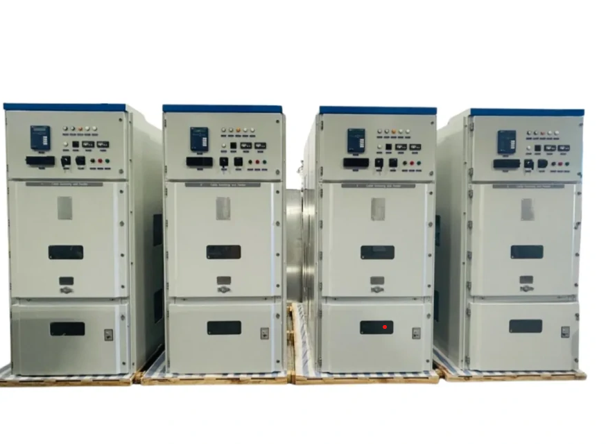
In modern industrial environments, electrical reliability plays a central role in ensuring uninterrupted production and safe operations. One of the most critical practices supporting this reliability is switchgear maintenance, which helps maintain the performance and safety of electrical distribution systems. When electrical infrastructure is regularly inspected and maintained, potential failures can be identified before they escalate into serious breakdowns. This proactive approach significantly reduces unexpected interruptions that lead to operational downtime.
Routine electrical inspections are not just a technical requirement but a strategic necessity for industries that depend on continuous power supply. Manufacturing plants, processing units, data centers, and large commercial facilities all rely on stable electrical systems to keep operations running smoothly. Even a minor fault in electrical components can result in costly halts, equipment damage, and safety hazards. Through structured inspection programs, organizations can ensure that electrical systems remain efficient, compliant, and resilient under varying load conditions.
This article explores how routine electrical inspections contribute to reducing operational downtime, the types of issues they help detect, and why they are essential for long term operational stability.
Understanding Routine Electrical Inspections
Routine electrical inspections refer to systematic examinations of electrical systems, components, and equipment to ensure they are functioning correctly and safely. These inspections typically include visual checks, diagnostic testing, thermal scanning, and performance evaluation of key electrical assets.
The primary goal is to detect early signs of wear, overheating, insulation failure, loose connections, or other abnormalities that may lead to system failure. Electrical systems are complex and operate under continuous stress, especially in industrial settings. Over time, this stress can degrade components and increase the likelihood of unexpected breakdowns.
Routine inspections help identify issues at an early stage, allowing maintenance teams to take corrective action before a minor issue becomes a major operational disruption. This proactive approach is far more efficient than reactive maintenance, which often involves fixing problems after they have already caused downtime.
See also: Space Technology Expanding Horizons
Role of Switchgear Maintenance in Industrial Reliability
Switchgear systems are critical components of electrical distribution networks. They control, protect, and isolate electrical equipment, ensuring safe and efficient power distribution. Proper maintenance of these systems is essential for maintaining operational continuity.
Effective switchgear maintenance ensures that circuit breakers, isolators, protective relays, and busbars function correctly under normal and fault conditions. When these components are not properly maintained, the risk of electrical failure increases significantly.
In industrial environments, switchgear systems often operate under heavy loads and fluctuating demand. Without routine inspection and servicing, issues such as insulation degradation, contact wear, and overheating can go unnoticed until a failure occurs. This can lead to sudden power outages, equipment damage, and production stoppages.
Regular maintenance also ensures that protective mechanisms respond accurately during fault conditions. This helps prevent cascading failures that could affect multiple systems across a facility. As a result, well maintained switchgear contributes directly to operational reliability and reduced downtime.
How Inspections Reduce Operational Downtime
Routine electrical inspections play a direct role in minimizing unexpected operational interruptions. By identifying potential issues early, maintenance teams can schedule repairs during planned maintenance windows rather than reacting to emergency breakdowns.
Electrical systems often show early warning signs before failure occurs. These signs may include temperature fluctuations, unusual noise, voltage irregularities, or visible wear on components. Inspections help detect these indicators before they escalate.
Key ways inspections reduce downtime include:
- Early identification of failing components before complete breakdown occurs
- Prevention of overheating and electrical overload conditions
- Ensuring stable power distribution across all operational units
- Reducing emergency repair requirements that halt production
- Extending the lifespan of critical electrical infrastructure
By addressing issues proactively, industries can maintain continuous operations and avoid the financial losses associated with unplanned outages.
Common Issues Detected During Inspections
Electrical inspections often reveal a wide range of issues that may not be visible during normal operations. These issues, if left unresolved, can significantly increase the risk of system failure.
Some of the most commonly detected problems include:
- Loose electrical connections that can cause arcing and overheating
- Insulation breakdown in cables and windings
- Dust and debris accumulation inside electrical panels
- Corrosion of metallic components due to environmental exposure
- Overloaded circuits that operate beyond safe capacity
- Faulty protective devices that fail to trip during abnormal conditions
Thermal imaging is frequently used during inspections to identify hot spots in electrical systems. These hot spots often indicate resistance issues or overloaded circuits. Similarly, insulation testing helps detect deterioration that could lead to short circuits or equipment failure.
Identifying and correcting these issues early ensures that electrical systems remain stable and reduces the likelihood of sudden operational disruptions.
Best Practices for Inspection Programs
To achieve maximum effectiveness, electrical inspection programs must be structured, consistent, and aligned with operational requirements. A well designed inspection strategy ensures that no critical component is overlooked.
Some best practices include:
- Establishing a fixed inspection schedule based on equipment usage and load conditions
- Using advanced diagnostic tools such as thermal imaging and vibration analysis
- Maintaining detailed records of inspection findings for trend analysis
- Prioritizing critical systems that directly impact production continuity
- Training maintenance personnel to recognize early warning signs of failure
It is also important to align inspection frequency with environmental conditions. Facilities operating in harsh environments may require more frequent inspections due to increased exposure to heat, dust, or moisture. Similarly, high load operations demand closer monitoring of electrical components.
A structured inspection program ensures consistency in maintenance practices and reduces variability in system performance.
Long Term Operational Benefits
Routine electrical inspections provide long term advantages that extend beyond immediate downtime reduction. They contribute to overall system efficiency, safety, and cost control.
One of the most significant benefits is improved equipment lifespan. When electrical systems are properly maintained, they experience less stress and wear, which extends their operational life. This reduces the need for frequent replacements and lowers capital expenditure.
Another important benefit is enhanced safety. Faulty electrical systems can pose serious hazards, including electrical fires and shock risks. Regular inspections help mitigate these dangers by ensuring that all components operate within safe parameters.
Operational efficiency also improves when electrical systems are stable. Consistent power quality reduces disruptions in production processes, ensuring that machinery operates at optimal performance levels. This leads to better output quality and reduced waste.
In addition, predictive maintenance strategies become more effective when supported by routine inspections. Data collected during inspections helps identify patterns and predict future failures, allowing maintenance teams to plan interventions more accurately.
Conclusion
Routine electrical inspections are a fundamental aspect of maintaining reliable industrial operations. By identifying potential issues early, ensuring the proper functioning of critical components such as switchgear systems, and supporting proactive maintenance strategies, these inspections significantly reduce operational downtime.
Industries that prioritize structured inspection programs benefit from improved safety, increased efficiency, and long term cost savings. In environments where continuous power supply is essential, routine inspections serve as a safeguard against unexpected disruptions and system failures.
Through consistent monitoring and maintenance, electrical systems remain stable, reliable, and capable of supporting demanding operational requirements.