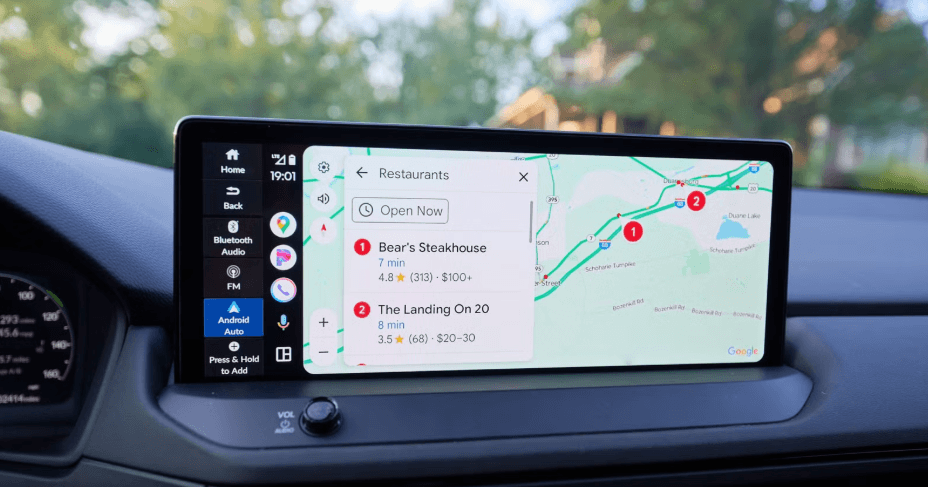
An app that checks a car and an app that follows a cricket match seem to belong to completely different categories. One may show battery status, location, or maintenance information. The other may display scores, players, and live match updates. Yet both face a similar design challenge. They need to turn changing information into something a person can understand quickly. The same principle applies to a desi cricket betting app india, where live sports information needs to remain clear as events change. Different industries may use different data, but good mobile design often solves very similar problems.
The Most Useful Information Has to Appear First
A mobile screen cannot give every detail equal attention.
An automotive app may contain driving history, tire information, service records, charging details, and vehicle location. A sports app can hold fixtures, player statistics, standings, scores, and match commentary.
The home screen needs to decide what matters right now.
For a parked electric car, battery level may deserve immediate attention. During a live cricket match, the current score and number of overs may be more useful than a player’s career statistics.
This hierarchy keeps the interface practical. Extra information remains available, but it does not compete with the details a user is most likely to need first.
Real Time Data Needs a Clear Visual Structure
Both types of apps deal with information that can change while the user is looking at the screen.
A car can begin charging. Its estimated range can change. A cricket team can lose a wicket or add twenty runs in a short period.
The interface should make the change easy to recognize without forcing the user to study several panels.
Numbers, short labels, progress indicators, and familiar symbols often work well because they communicate quickly.
A good status screen usually answers a small set of immediate questions:
- What is happening now?
- What has changed?
- Is any action required?
- Where can more detail be found?
That structure can work for battery status just as well as for a live scorecard.
Updates Should Be Easy to Notice
Real time information is useful only when users can understand what changed.
A fresh score, charging percentage, or vehicle status should appear in a predictable place. Consistency reduces the need to relearn the screen each time the app opens.
Notifications Have to Earn Their Place
Automotive and sports apps can both send many types of alerts.
A vehicle app might mention charging completion, an unlocked door, service timing, or another status change. Sports apps may notify users about the start of a match, wickets, innings changes, or final results.
The useful approach is selection rather than volume.
People often want different alerts at different times. Someone may care about the final score of one game but want regular updates from another. A vehicle owner may consider a security notification more useful than a general reminder.
Allowing users to choose what reaches the notification screen makes the app feel more relevant to their routine.
Fewer Taps Usually Make Mobile Apps Easier to Use
Phones are often opened for very short interactions.
Someone checking whether a car has finished charging may want the answer immediately. A cricket fan opening an app between other tasks may simply want to know the score.
Frequently used information therefore benefits from short navigation paths.
Clear icons, readable text, large touch areas, and predictable menus all help. Features that are used less often can sit deeper inside the app without crowding the main view.
A Simple Screen Can Hide a Complex System
The information behind an app may be highly detailed.
Connected cars can generate large amounts of vehicle data. Live sports platforms may process scores, player records, fixtures, and continuously changing match events.
The user does not need to see that complexity all at once.
Good interface design translates it into a few useful pieces and lets the person request more when needed.
Different Apps Can Solve the Same Everyday Problem
Automotive and sports-related apps might seem like a perfect contrast, one catering for the mechanical side while the other deals with the athletic, but the truth is that they all come down to essentially the same thing: what is going on now? So it’s not surprising that their top design suggestions often resemble each other to the eye.
In fact, the two can greatly profit from the same features having clear priorities, displaying readable statuses, getting selective with notifications, and having quick ways to access the most commonly used features. Each one doesn’t necessarily have to throw all that the user will ever want at them at once on the home screen. Rather it makes things a whole lot smoother to use if the interaction design of the system acknowledges and makes use of the moment in time in which a person chooses to open it. Whether this is done to get a look at the car or to find out what was happening in the last over, the one that gives the user what they’re looking for before they even start searching, is most probably the one that they’ll be most pleased with!