Introduction
Plastic manufacturing involves several critical processes that directly influence the quality, strength, appearance, and performance of finished products. Among these processes, material drying is one of the most important yet often underestimated stages. Many engineering and hygroscopic plastics naturally absorb moisture from the surrounding environment during storage, transportation, and handling. If this moisture is not removed before processing, it can create numerous manufacturing challenges.
Excess moisture can affect the physical and mechanical properties of plastic products, resulting in defects that compromise product quality and production efficiency. For this reason, manufacturers across industries invest in advanced drying technologies to ensure raw materials are properly conditioned before processing.
A high-performance plastics dryer helps remove absorbed moisture from plastic resins, enabling manufacturers to achieve consistent processing conditions and produce high-quality finished products.
What Happens When Plastics Are Not Properly Dried?
Moisture contamination can have a significant impact on plastic processing operations. Many plastic materials absorb water molecules that become trapped within the resin structure.
When wet materials are exposed to high processing temperatures, the moisture converts into steam and interferes with the molding or extrusion process.
Common Processing Defects
Inadequately dried plastic materials can lead to several manufacturing defects, including:
- Surface imperfections
- Splay marks
- Bubbles
- Voids
- Cracking
- Poor dimensional stability
These issues can reduce product quality and increase rejection rates during production.
Reduced Mechanical Performance
Moisture can also affect the internal structure of processed plastic components.
Products manufactured from improperly dried materials may exhibit reduced strength, lower impact resistance, and compromised durability. This can negatively influence overall product performance and customer satisfaction.
Why Do Plastics Absorb Moisture?
Not all plastics behave the same way when exposed to environmental humidity. Certain materials are highly hygroscopic, meaning they readily absorb moisture from the surrounding air.
Examples of moisture-sensitive materials include:
- Nylon
- PET
- Polycarbonate
- ABS
- PBT
- Acrylics
These materials often require thorough drying before processing to ensure optimal performance.
Environmental Exposure
Plastic resins may absorb moisture during storage, transportation, or production handling.
Even when materials are packaged carefully, prolonged exposure to humid environments can increase moisture content.
Material Characteristics
The molecular structure of hygroscopic plastics allows water molecules to penetrate and become absorbed within the material itself.
Because the moisture resides inside the resin, surface drying alone is insufficient for proper moisture removal.
How Does Plastic Drying Improve Product Quality?
Proper drying eliminates excess moisture before processing, helping manufacturers maintain stable production conditions and achieve consistent results.
Removing moisture improves both manufacturing efficiency and finished product quality.
Better Surface Appearance
Dry materials process more uniformly, reducing the likelihood of visible surface defects.
Manufacturers can achieve smoother finishes, improved transparency, and enhanced visual quality in finished products.
Enhanced Structural Integrity
When moisture is effectively removed, polymer chains remain more stable during processing.
This contributes to stronger, more durable products with improved mechanical performance.
Consistent Dimensional Accuracy
Proper drying supports stable molding and extrusion conditions, helping manufacturers maintain dimensional consistency throughout production runs.
This is particularly important for precision components that require tight tolerances.
What Role Do Advanced Drying Systems Play?
Modern plastic manufacturing requires drying technologies capable of achieving low moisture levels consistently and efficiently.
Advanced drying systems are designed to remove moisture while maintaining stable processing conditions.
Controlled Drying Environment
Effective drying systems regulate:
- Air temperature
- Dew point levels
- Airflow rates
- Drying time
Careful control of these variables ensures efficient moisture removal without damaging the material.
Improved Process Stability
Consistent drying conditions help reduce variability during production.
Manufacturers benefit from predictable processing behavior and improved overall product quality.
Why Are Desiccant Dryers Commonly Used in Plastic Processing?
Many plastic materials require moisture levels that cannot be achieved through conventional hot air drying methods.
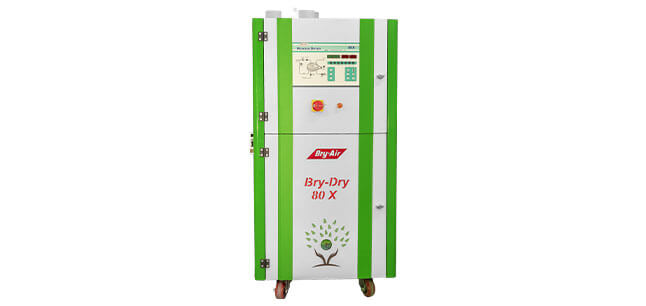
This is where desiccant dryers for plastics become particularly valuable. These systems utilize specialized desiccant materials that remove moisture from the drying air, creating extremely low humidity conditions that support efficient drying of hygroscopic resins.
By supplying dry air with very low dew points, desiccant dryers enable thorough moisture removal from sensitive plastic materials before processing.
Superior Moisture Removal Capability
Desiccant drying systems can achieve significantly lower moisture levels than traditional drying methods.
This capability is especially important for engineering plastics that require precise moisture control.
Consistent Performance Across Conditions
Unlike some conventional systems, desiccant dryers maintain effective performance even when ambient humidity levels fluctuate.
This consistency helps manufacturers maintain reliable production quality throughout the year.
What Industries Depend on Proper Plastic Drying?
Many industries rely on plastic components that must meet strict quality and performance standards.
Proper material drying plays a critical role in supporting these requirements.
Automotive Manufacturing
Automotive components often require high strength, dimensional stability, and durability.
Properly dried materials help manufacturers achieve the performance standards demanded by the industry.
Electronics Industry
Electronic housings and precision components frequently use moisture-sensitive engineering plastics.
Drying ensures reliable material performance and high-quality finished products.
Medical Device Production
Medical applications require consistent material properties and reliable manufacturing processes.
Moisture control supports product quality and compliance with stringent production standards.
Packaging Applications
Packaging manufacturers use various plastic materials that require controlled processing conditions to achieve desired performance characteristics.
Proper drying contributes to product consistency and manufacturing efficiency.
How Does Proper Drying Improve Production Efficiency?
In addition to improving product quality, effective drying also supports operational efficiency.
Manufacturers that maintain proper moisture control often experience smoother production processes and reduced waste.
Lower Scrap Rates
Defects caused by moisture contamination frequently result in rejected parts and material waste.
Effective drying helps minimize these issues and improve production yields.
Reduced Downtime
Moisture-related processing problems can interrupt production and require corrective action.
Proper drying helps maintain stable operations and reduces unnecessary downtime.
Better Resource Utilization
Consistent processing conditions contribute to more efficient use of materials, equipment, and labor resources.
This supports improved overall manufacturing productivity.
What Should Manufacturers Consider When Selecting a Plastic Drying System?
Choosing the right drying solution requires careful evaluation of production requirements and material characteristics.
Several factors should be considered during the selection process.
Material Type
Different plastic resins have unique drying requirements based on their moisture absorption characteristics.
Understanding these requirements is essential for selecting appropriate drying technology.
Production Volume
Drying systems should be sized according to material throughput and production demands.
Proper sizing helps ensure consistent performance and operational efficiency.
Energy Efficiency
Modern drying technologies are designed to reduce energy consumption while maintaining high drying performance.
Energy-efficient systems can help lower operating costs and support sustainability initiatives.
Conclusion
Proper plastic drying is a fundamental requirement for achieving high-quality manufacturing results. Moisture contamination can lead to processing defects, reduced product performance, higher scrap rates, and operational inefficiencies. By removing absorbed moisture before processing, manufacturers can improve product quality, enhance production consistency, and optimize overall manufacturing performance.
Advanced drying technologies, particularly desiccant-based systems, provide the precise moisture control required for processing hygroscopic materials. As quality standards continue to increase across industries, effective plastic drying remains an essential component of successful manufacturing operations.
For organizations seeking innovative moisture control and drying solutions, Bry-Air offers advanced technologies designed to support efficient plastic processing and consistent product quality across a wide range of industrial applications.